Types of Romance Tropes Explained: The Ultimate Guide
Types of Romance Tropes Explained: The Ultimate Guide
If you’ve ever fallen headfirst into a romance novel and wondered why you couldn’t put it down, the answer almost certainly lies in the trope at its heart. Understanding types of romance tropes explained properly is the key to unlocking why these stories work so powerfully on us — and how to find your next obsessive read. Whether you’re a seasoned romance reader or just discovering the genre, this guide breaks down everything you need to know: the history, the psychology, the must-read books, and the subgenres waiting for you to explore. With over 150 distinct tropes identified across the genre and researchers noting that just 12 core tropes dominate the bestseller lists, there’s never been a better time to get fluent in the language of romance. For a broader overview of the landscape, you can also learn more about how tropes, lengths, and formats intersect.
What Are Romance Tropes? A Brief History
Romance tropes are recurring narrative frameworks — familiar setups, character dynamics, and plot devices — that readers actively seek out and publishers know sell. Far from being a modern invention, these storytelling patterns trace back centuries. The forbidden love dynamic appears in Shakespeare’s Romeo and Juliet; the second-chance romance echoes through Jane Austen’s Persuasion; and the enemies-to-lovers arc powers the tension of countless Victorian novels.
What changed in the 20th century was codification. As the mass-market romance industry exploded in the 1970s and 1980s — driven by publishers like Harlequin and Avon — readers began actively requesting specific emotional experiences. By the BookTok era of the 2020s, readers don’t just browse genres; they search hashtags like #enemiestolovers and #fakedating. Tropes became the genre’s true currency.
“There’s a reason enemies to lovers is one of the most popular romance tropes… witty banter, fierce rivalry, and romantic angst make the kiss satisfying.” — Romance genre analysis
The psychological appeal is real. Tropes work because they create a contract between author and reader: you know the emotional destination, which means you can fully invest in the journey. The tension isn’t will they end up together — it’s how. That anticipation, that slow build toward catharsis, is what makes romance uniquely addictive. To understand the deeper mechanics at play, learn more about why tropes are considered the heartbeat of the entire genre.
Types of Romance Tropes Explained: The Core 8
With 150+ tropes in existence, the landscape can feel overwhelming. But mastering these eight core dynamics will give you fluency across the entire genre — and help you identify what you love most.
1. Enemies to Lovers
Consistently ranked the #1 romance trope across reader polls and genre analyses, enemies to lovers delivers some of fiction’s most electric tension. Two characters who despise each other — rivals, opponents, people who’ve wronged one another — are forced to confront the fine line between hatred and desire. The psychological payoff is catharsis: all that antagonism transforms into passion, making the eventual kiss feel earned in a way few other tropes can match. Think sharp banter, stolen glances, and the delicious moment one character admits the other has been living rent-free in their head.
2. Forced Proximity
Snowstorms, road trips, shared offices, fake roommates — forced proximity traps characters together and lets chemistry do its slow, inevitable work. As one analysis notes, “forced proximity forces characters to confront intense feelings, leading to character growth and anticipated intimacy.” This trope pairs brilliantly with enemies-to-lovers (trapped with someone you hate) or friends-to-lovers (suddenly seeing your best friend in a new light). It’s the romance equivalent of a pressure cooker.
3. Fake Relationship
Two characters agree to pretend to be a couple — to fool family, secure an inheritance, survive a work event — and predictably (delightfully) catch real feelings. The genius of fake dating is its built-in irony: the characters perform love so convincingly that they convince themselves. The slow-burn chemistry here is unmatched, and the moment the fake becomes real is one of romance’s most satisfying payoffs.
4. Friends to Lovers
In some polls, this actually edges out enemies-to-lovers as the top reader favourite. The appeal is the intimacy already built — these two people know each other, which means the romantic shift carries enormous emotional weight. Jealousy, a near-miss, or a vulnerable confession typically triggers the transition. The fear of ruining the friendship creates its own unique tension.
5. Grumpy/Sunshine
A brooding, cynical, or emotionally closed-off character paired with someone relentlessly warm and optimistic. The chemistry comes from contrast — the sunshine character slowly dismantling the grumpy one’s walls — and the transformation arc is deeply satisfying. This trope consistently appears in the genre’s top 10, and it pairs especially well with forced proximity.
6. Forbidden Love
External barriers — feuding families, class divides, professional rules, societal taboos — stand between two people who can’t help wanting each other. “The forbidden love trope evokes conflicting emotions… highlighting love’s resilience despite external forces.” The stakes feel higher, the sacrifices more meaningful, and the resolution more triumphant.
7. Second Chance Romance
Ex-lovers reunited, given a chance to do it right this time. The history between the characters does all the heavy lifting — readers feel the weight of what was lost and root fiercely for redemption and growth. This trope rewards emotional depth and is a perennial favourite in both contemporary and historical romance.
8. Secret Identity / Billionaire / Royal
Hidden depths, concealed wealth, disguised royalty — this cluster of tropes taps into the fantasy of discovering that someone is more (or different) than they appeared. The reveal moment is pure dopamine, and the wish-fulfilment element is unapologetically fun.
For a comprehensive deep-dive into even more variations, learn more about the full spectrum of tropes shaping today’s romance landscape.
5 Must-Read Romances That Nail These Tropes
The best way to understand types of romance tropes explained in theory is to experience them in practice. These five books are essential reading — each one a masterclass in a core trope dynamic. Browse Romance Ebooks to find these and hundreds more.
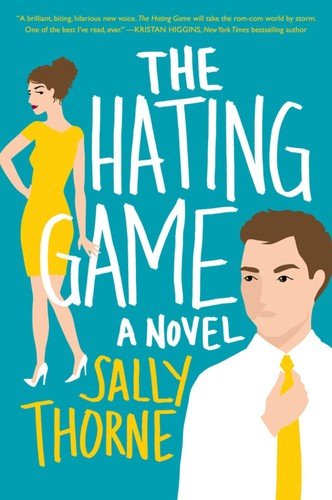
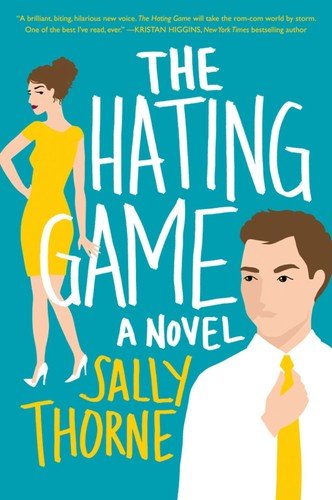
The Hating Game
by Sally Thorne
The gold standard of enemies-to-lovers office romance, this novel delivers banter so sharp it crackles off the page. Lucy and Joshua’s rivalry — trapped in forced proximity at their shared desk — is a textbook demonstration of how tension transforms into undeniable chemistry. If you want to understand why enemies-to-lovers dominates reader polls, start here.
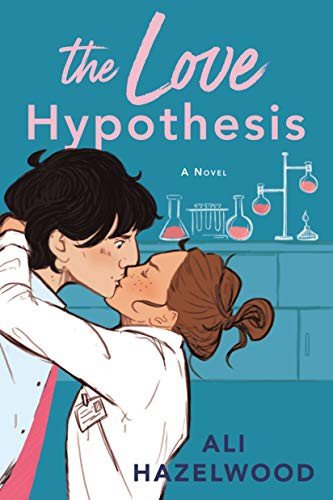
The Love Hypothesis
by Ali Hazelwood
A fake-dating masterpiece set in academia, pairing a sunshine STEM heroine with the grumpiest professor in the department — a double-trope delight that became a BookTok phenomenon for good reason. Hazelwood’s writing is witty, smart, and genuinely steamy, making this the perfect gateway for readers new to fake-relationship dynamics. The slow burn here is exquisitely calibrated.
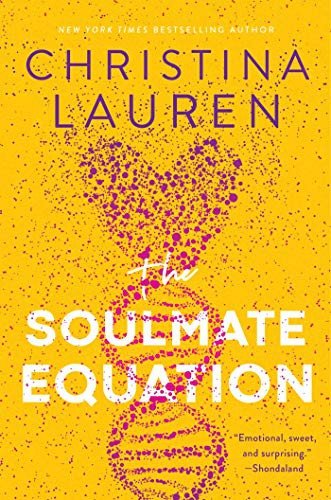
The Soulmate Equation
by Christina Lauren
Christina Lauren weaves a grumpy/sunshine dynamic into a high-concept premise about a DNA-matching algorithm that identifies soulmates — only for the results to be wildly inconvenient. The result is a romance that explores fated connections with both warmth and sharp wit. It’s a brilliant entry point for readers curious about how soulmate tropes work in contemporary settings.

The Bromance Book Club
by Lyssa Kay Adams
A uniquely charming second-chance romance in which a group of men use romance novels to learn how to be better partners — meta, heartfelt, and genuinely funny. The second-chance dynamic here is handled with real emotional intelligence, exploring how couples grow apart and whether love alone is enough to rebuild trust. It’s the rare romance that’s both deeply funny and quietly moving.
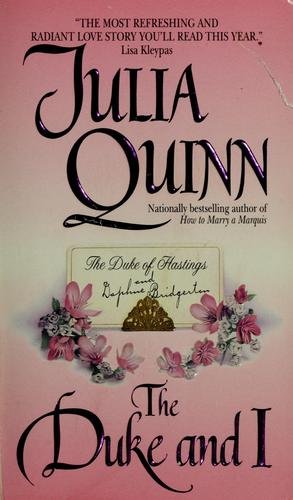
The Duke and I
by Julia Quinn
The book that launched the Bridgerton empire and a masterclass in the fake-relationship trope set against a Regency backdrop of forbidden social conventions. Quinn’s Daphne and Simon navigate a sham courtship that becomes devastatingly real, with all the wit, heat, and emotional complexity that made historical romance a powerhouse genre. Essential reading for anyone mapping the types of romance tropes explained across historical fiction.
Types of Romance Tropes Explained Across Subgenres
One of the most exciting things about understanding types of romance tropes explained is discovering how they mutate and intensify across different subgenres. The same enemies-to-lovers dynamic hits very differently depending on whether it’s set in a Regency ballroom, a Silicon Valley startup, or a paranormal realm where one character is a centuries-old vampire.
Contemporary Romance
The natural home of fake dating, grumpy/sunshine, and office romance. Contemporary settings allow tropes to play out in recognisable, relatable contexts — which is why BookTok gravitates so heavily toward this subgenre. The emotional stakes feel immediate and personal.
Historical Romance
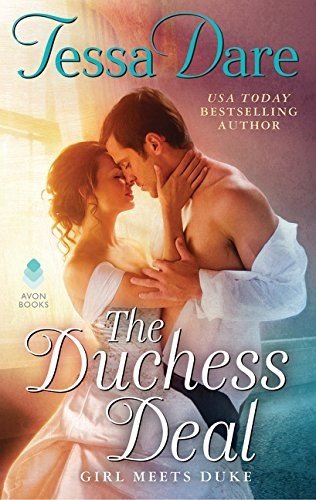
Forbidden love and marriage of convenience dominate here, amplified by the genuine social stakes of the era. A Regency couple navigating a fake engagement risked real reputational ruin — the external barriers are built into the wallpaper. Julia Quinn, Tessa Dare, and Lisa Kleypas are the essential authors.
Paranormal & Fantasy Romance
Fated mates, chosen ones, and enemies-to-lovers with supernatural stakes. The forbidden love trope reaches new heights when the barrier isn’t just family disapproval but species-level incompatibility. Sarah J. Maas and Nalini Singh have built empires on this foundation.
Romantic Suspense
Forced proximity gets a genuine adrenaline injection when the reason two people are stuck together involves life-or-death danger. Protector/protectee dynamics and enemies-to-allies-to-lovers arcs thrive in this subgenre.
Where to Start: Matching Tropes to Your Reading Personality
Not sure which trope is your gateway drug? Here’s a quick guide:
- You love witty banter and tension: Start with enemies-to-lovers — The Hating Game is your book.
- You want slow burn and emotional payoff: Fake relationship or friends-to-lovers will destroy you in the best way. Try The Love Hypothesis.
- You love sweeping historical settings: Forbidden love and marriage of convenience in historical romance — The Duke and I is essential.
- You want something warm and funny: Grumpy/sunshine contemporary romance. The Soulmate Equation delivers.
- You’re ready for emotional complexity: Second-chance romance — The Bromance Book Club handles it with real depth.
Check out our Velora Fox book collection to find the latest titles working within these beloved frameworks — the genre never stops reinventing its favourite tropes in fresh, surprising ways.
“The forbidden love trope evokes conflicting emotions… highlighting love’s resilience despite external forces.” — Romance genre analysis
Final Thoughts: Why Tropes Are the Heart of Romance
Getting the types of romance tropes explained clearly isn’t about reducing great books to formulas — it’s about understanding the emotional architecture that makes romance the bestselling fiction genre on the planet. Tropes are the reason readers finish one book at midnight and immediately reach for another. They’re the promise the genre makes and keeps, over and over, in hundreds of different voices, settings, and combinations.
Whether you’re drawn to the electric catharsis of enemies-to-lovers, the cozy inevitability of forced proximity, or the bittersweet complexity of second-chance romance, there’s a trope — and a book — built exactly for the feelings you want to feel. The types of romance tropes explained here are your map; the reading is the adventure.
Explore our genre collections at Velora Fox and find your next obsession.