How to Organize a Reading List: Romance TBR
How to Organize a Reading List When Your TBR Is Out of Control
If you’re a romance reader, you already know the feeling: another stunning cover, another one-click purchase, another book quietly buried under forty others you swore you’d read “soon.” Learning how to organize a reading list is one of the most liberating things you can do as a reader — and for romance fans specifically, it’s practically a survival skill. Between series, standalones, ARCs, pre-orders, and the irresistible pull of a good enemies-to-lovers premise, the TBR pile grows faster than any reading schedule can handle. This guide is here to help you build a system that actually works, keeps you excited, and stops the guilt spiral for good.
Whether you’re a Goodreads devotee, a spreadsheet nerd, or someone who scribbles titles on sticky notes, there’s a smarter way to manage your romance reading list. Let’s dig in.
Why Romance Readers Need a Different System (And That’s Okay)
Romance is one of the most voracious reading genres in the world. Readers regularly consume multiple books a month, follow beloved authors across long series, jump between sub-genres like contemporary, historical, paranormal, and romantasy — and still manage to stay current on new releases. That’s a lot of moving parts.
Generic TBR advice tells you to “just pick one book and read it.” That’s fine in theory. But it doesn’t account for the fact that romance reading is deeply mood-dependent. Sometimes you want a slow-burn, small-town cozy. Other times you need a spicy enemies-to-lovers romp at midnight. A one-size-fits-all list won’t serve you well here.
Knowing how to organize a reading list as a romance reader means building a system that honors your mood, respects your reading pace, and still keeps you accountable — without making reading feel like homework.
Book Love
by Penny Kittle
A passionate case for building a personal reading life that resonates with anyone trying to make intentional choices about what to read next.
Book Love by Penny Kittle is a wonderful starting point if you want to reconnect with why you read in the first place. It’s a passionate case for building a personal reading life on your own terms — which is exactly the mindset you need before you start organizing anything.
Goodreads Custom Shelves: Your Romance TBR’s Best Friend
Goodreads is the go-to platform for most romance readers, and for good reason. Beyond the three default shelves you can’t delete — Currently Reading, Want to Read, and Read — the platform lets you create unlimited custom shelves. That’s where the real magic happens.
Setting Up Sub-Genre Shelves
Start by creating shelves that reflect the romance sub-genres you actually read. Some useful examples:
- contemporary-romance
- historical-romance
- romantasy
- paranormal-romance
- dark-romance
These become non-exclusive shelves, meaning a book can live on multiple shelves at once. A Scottish historical with fantasy elements? It goes on both historical-romance and romantasy. No problem.
Mood Tags as Shelves
Here’s a trick that transforms how to organize a reading list for mood readers: create shelves based on emotional tone or reading context rather than genre. Think:
- beach-read
- rainy-day-read
- need-a-cry
- light-and-funny
- slow-burn-craving
When you’re staring at your TBR at 10pm wondering what to read, these tags do the thinking for you. You know your mood. The shelf tells you your options. Done.
One dedicated Goodreads user catalogued all 307 of her physical books this way — dividing the project into manageable chunks, shelf by shelf, until everything was organized and searchable. You can read more about that kind of deep-dive approach at Gretchen Louise’s guide to organizing your book collection on Goodreads.
The Catch-Up Shelf
Create a dedicated catch-up shelf for books you’ve started but paused. This keeps your Currently Reading shelf clean and focused, and ensures those half-read romances don’t disappear into the void. Out of sight really does mean out of mind when it comes to TBR management.
You can also connect your Amazon account to Goodreads to consolidate wish lists, and use the app’s barcode scan feature to add physical books instantly — no manual typing required.
Mood-Reading Strategies: Tag Your Way to the Right Book Tonight
Mood reading is the dominant reading style among romance fans, and fighting it rarely works. Instead of forcing yourself through a book that doesn’t match your current emotional state, lean into the mood — but do it with structure.
The key is tagging your TBR before you’re in the mood. When you add a new romance to your list, take thirty seconds to apply two or three mood tags. That way, when Friday night hits and you want something funny and low-stakes, you’re not scrolling through 200 titles trying to remember which ones were light reads.
Rotating between heavy/intense reads and light/funny ones is also a proven strategy for preventing reading fatigue. If you just finished a gut-punch emotional romance, your next pick should probably be something that makes you laugh. Your mood shelf will make that choice obvious.
Happy Place
by Emily Henry
A tender second-chance romance with vacation-house tension and emotional honesty.
Happy Place by Emily Henry is a perfect example of a book that earns a “feel-good but emotionally layered” tag — the kind of read that fits a specific mood perfectly once you know how to label it.
How to Organize a Reading List Around Series vs. Standalone Romance
One of the trickiest parts of romance TBR management is balancing series commitments against standalone reads. Series are seductive — you fall in love with characters and you want more. But they also create a kind of reading debt. Once you’re three books into a five-book series, you feel obligated to finish even if your enthusiasm has faded.
The Series Shelf Strategy
Create a dedicated Goodreads shelf called series-in-progress. Every series you’ve started but not finished lives here. This gives you a clear visual of your current commitments and prevents you from starting too many new series at once.
A good rule of thumb: don’t start a new series until you’ve finished at least one currently in progress. It sounds restrictive, but it actually frees you up — you finish things, feel accomplished, and your TBR doesn’t become a graveyard of abandoned book twos.
Standalone Priority Shelf
Keep a separate shelf for standalones you want to read soon. These are your palate cleansers — the books you can pick up between series without any prior context. When you finish a series and need a break from long-form commitment, your standalone shelf is ready and waiting.
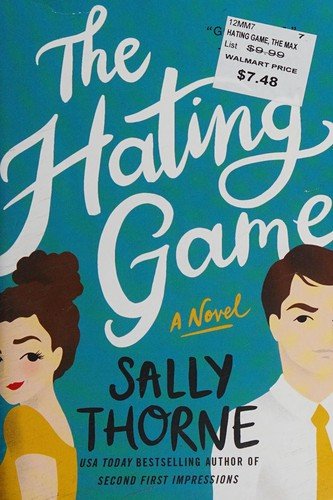
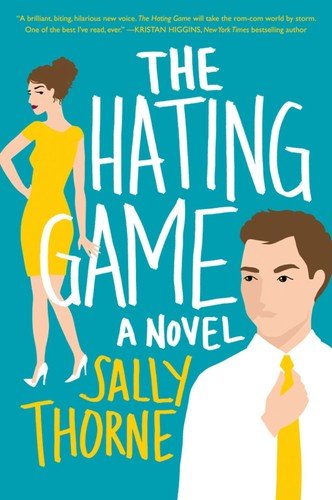
The Hating Game
by Sally Thorne
A popular enemies-to-lovers office romance with sharp banter and strong chemistry.
The Hating Game by Sally Thorne is the gold standard standalone enemies-to-lovers romance — exactly the kind of book that deserves its own “standalone-priority” shelf tag so it doesn’t get lost behind a twelve-book fantasy romance series.
Balancing ARCs, Pre-Orders, and Personal TBR Without Losing Your Mind
If you request Advance Reader Copies through NetGalley or receive them from publishers, you’re dealing with a layer of reading obligation that most TBR guides ignore entirely. ARCs have deadlines. Pre-orders arrive on a specific date. Your personal TBR has no urgency at all — which means it always loses.
The ARC Shelf
Create a dedicated arc-obligation shelf in Goodreads and add every ARC the moment you receive it, along with its review deadline in your notes. Treat ARCs like appointments. Block time for them before they pile up and become stressful.
Pre-Order Tracking
Pre-orders are exciting but easy to forget about once you’ve clicked “buy.” Create a pre-ordered shelf for books you’ve already purchased but haven’t received yet. When they arrive, move them to a new-arrivals shelf so they get read while the excitement is still fresh — rather than getting buried under older TBR titles.
For more detailed strategies on building a TBR that doesn’t overwhelm you, this guide on building the ultimate TBR book list is worth bookmarking.
The ‘Try Before You Buy’ Rule (And Why Buying Is Still Half the Fun)
Let’s be honest: for many romance readers, buying books is part of the hobby. The thrill of a new cover, the anticipation of a new author, the satisfaction of a shelf that looks beautiful — these are real pleasures that no TBR system should strip away.
But there’s a smarter way to buy. The “Try Before You Buy” rule is simple: read the first chapter of any book before purchasing it. Most ebooks offer a free sample. Most physical books can be previewed online. If the first chapter doesn’t hook you, the book probably isn’t right for you right now — and that’s okay.
This one habit alone can slow TBR growth significantly without eliminating the joy of book shopping. You’re not buying less; you’re buying more intentionally.
For tips on physically organizing the books you do own, Kalyn Brooke’s guide to organizing books has practical shelf-by-shelf advice that pairs well with a digital TBR system.
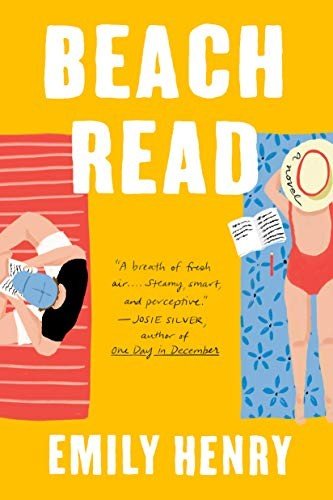
Beach Read
by Emily Henry
A thoughtful romance about writers, grief, and creative rediscovery.
Beach Read by Emily Henry is the kind of book that sells itself on premise alone — and would absolutely pass the first-chapter test. It’s also a great example of a book that deserves a “summer-vibes” mood tag the moment it lands on your shelf.
Tools Beyond Goodreads: StoryGraph, Notion, and Spreadsheet Trackers
Goodreads is powerful, but it’s not the only option. Depending on how you think and organize, a different tool might suit you better — or you might use multiple tools together.
StoryGraph
StoryGraph is Goodreads’ most serious competitor and has become especially popular among romance readers who want more nuanced mood and pace tracking. You can filter your TBR by mood, pace, and themes — which is genuinely useful when you’re trying to figure out what to read next. It also generates reading statistics that many readers find more satisfying than Goodreads’ basic year-in-review.
Notion
For readers who love customization, Notion offers complete control over your reading tracker. You can build a database with columns for genre, sub-genre, mood tags, series status, ARC deadlines, star ratings, and anything else you want to track. The learning curve is steeper than Goodreads, but the payoff is a system that’s entirely your own.
Spreadsheets
Never underestimate a good Google Sheet. Color-coding rows by sub-genre, adding columns for mood tags and priority levels, and sorting by “want to read soon” versus “eventually” is a perfectly valid system. It’s low-tech, endlessly flexible, and doesn’t require an account or an app update.
The best tool is whichever one you’ll actually use consistently. Don’t let the perfect system be the enemy of the functional one.
Keeping Your Reading List a Living Document You Actually Use
The biggest mistake readers make with TBR organization is treating it as a one-time project. You spend a weekend organizing everything beautifully, feel great about it — and then never touch it again. Three months later, it’s chaos again.
Your reading list should be a living document. That means:
- Monthly check-ins: Remove books you’ve lost interest in. Add new ones you’re genuinely excited about. Keep the list honest.
- Seasonal reassessment: Your reading mood shifts with the seasons. What you wanted to read in January might not appeal in July. Adjust your priority shelves accordingly.
- Ruthless culling: If a book has been on your TBR for more than two years and you still haven’t felt the urge to pick it up, it’s okay to remove it. You’re not obligated to read everything you’ve ever added to a list.
Joining a book club — even a casual online one — can also help. External deadlines and accountability are surprisingly effective at moving books from the TBR into the “read” column. The social element adds a layer of motivation that solo reading sometimes lacks.
For more genre-specific reading guides and book recommendations, browse the Velora Fox Genre Guides — there’s a whole library of curated reading lists waiting for you.
Frequently Asked Questions: How to Organize a Reading List
What’s the best way to start organizing a romance TBR from scratch?
Start with Goodreads’ free custom shelves. Create three to five sub-genre shelves that reflect what you actually read, then add two or three mood-based shelves. Move your existing “Want to Read” books into these new shelves over a week or two — don’t try to do it all at once. Once everything is tagged, how to organize a reading list becomes much more intuitive because you can filter by mood or genre instantly.
How do I stop my TBR from growing faster than I can read?
Apply the “Try Before You Buy” rule: sample the first chapter before purchasing. Also schedule a monthly TBR review to remove books you’re no longer excited about. The goal isn’t a small TBR — it’s a TBR full of books you genuinely want to read, not ones you felt obligated to add.
Should I use Goodreads or StoryGraph to organize my romance reading list?
Both are excellent, and many readers use them together. Goodreads has a larger community and more social features. StoryGraph offers better mood and pace filtering, which is especially useful for romance readers who are mood readers. If you’re just starting out, begin with Goodreads — it’s easier to learn and has the biggest book database. You can always add StoryGraph later once you know what features matter most to you.
Final Thoughts: Your TBR, Your Rules
There’s no single perfect system for how to organize a reading list — especially as a romance reader, where mood, series obligations, and sheer book enthusiasm all pull in different directions. The best system is the one that makes you excited to read, not stressed about it.
Start simple. Build custom Goodreads shelves by sub-genre and mood. Apply the Try Before You Buy rule. Create dedicated shelves for series in progress, ARCs, and pre-orders. Check in monthly and keep your list honest. And remember: the point of organizing your TBR is to spend less time deciding what to read and more time actually reading.
If you’re looking for more curated recommendations and reading guides, Velora Fox has you covered. Knowing how to organize a reading list is just the beginning — the real reward is diving into the books themselves.
Use Velora Fox to discover your next favorite ebook by genre.