
How to Choose a Romance Audiobook Narrator
A romance audiobook narrator can change how a story feels without changing a word on the page. A voice that makes one listener lean into the banter may distract another. That is why choosing an edition deserves more attention than simply picking the first audio result for a familiar title.
This guide focuses on how to choose a romance audiobook narrator: what to listen for in a sample, how to judge dialogue and pacing, and which edition details to check before buying. It is a practical selection guide, not a ranking of performers or a claim that we have listened to every complete edition.
Still deciding between audio and text? Start with our separate audiobook versus reading comparison for romance fans, then return here to choose a listening performance.
Choose a Romance Audiobook Narrator in Five Steps
1. Sample the exact edition you plan to buy
Start with the retailer’s audio sample for the specific edition, rather than a promotional clip from a different release. Confirm that the title, author and named narrator match the product page you intend to use. The same novel can have more than one audio edition, and a preference for a book does not automatically mean every recording will suit you.
Read the edition details as well as the sample. Check the language, whether the recording is abridged or unabridged, and the listed running time. A shortened edition and a complete recording are different products, even when the cover and title look similar.
2. Listen for dialogue you can follow comfortably
Notice whether you can follow who is speaking without constantly checking the text. Distinct character voices may help, but large differences between voices are not a requirement for an enjoyable performance. What matters is whether the choices feel clear and comfortable to you.
Pay particular attention to the kind of scenes you want from the novel. If playful exchanges are the attraction, listen for the rhythm of the dialogue. If you prefer reflective slow burns, notice whether the quieter passages hold your attention. A short sample cannot promise the quality of an entire recording, but it can reveal an immediate mismatch.
3. Judge pace at your normal listening speed
Begin at normal speed so you can hear the pauses, emphasis and sentence rhythm as recorded. Then try the playback setting you usually use. A performance that becomes tiring or difficult to follow at your preferred setting may be less suitable for your routine, even if the voice itself appeals to you.
Do not treat faster playback as a goal in itself. You are choosing a story experience, not trying to reach a listening target. It is reasonable to slow down for unfamiliar names, a new setting or an emotionally important scene.
4. Check your comfort with intimate and emotional scenes
Romance includes a wide range of tone and explicitness. A narrator’s delivery during teasing dialogue, a difficult conversation or an intimate scene can matter as much as the general sound of the voice. Consult the book’s content information separately; the sample may not include the material that most affects your decision.
Think about where you will listen, too. Headphones and a private setting may suit some stories better than shared speakers. Choose based on your own comfort, rather than assuming that an edition recommended by another reader will be the right fit.
5. Match the recording to your reading routine
A long recording can be a good choice for repeat listening sessions, while shorter sessions may call for careful bookmarking. Check whether your chosen app supports the controls you need, such as a sleep timer, chapter navigation or bookmarks. Those features belong to the app or service, so do not assume every download includes them.
If you plan to switch between an ebook and audio, verify compatibility for the exact editions before purchasing both. Do not assume automatic synchronization or that buying one format includes the other. For Velora Fox’s own catalog, our download and playback guide explains how to use the supplied files.
A quick narrator-selection checklist
- The sample belongs to the exact edition you intend to buy.
- The narrator and language match the product details.
- The dialogue is easy for you to follow.
- The pace feels comfortable at your preferred setting.
- The book’s tone and content suit your listening setting.
- You understand which format and edition the purchase includes.
Keep a short note of what worked after sampling a few recordings. Over time, that can help you identify a preference for a particular narrator, performance style or pacing. It remains a personal preference, not an objective score for the performer.
Reading Style: Context for Choosing a Narrator
Here’s something that might surprise you: cognitive neuroscientists have found that audiobooks activate the same brain networks for language comprehension as reading print books. The neural pathways for written and oral language are deeply intertwined — meaning your brain is doing remarkably similar work whether you’re listening or reading.
Still, more than 40 percent of Americans believe listening to audiobooks is less rigorous and doesn’t really “count” as reading. That’s a widespread misconception. According to research covered by Rev’s breakdown of audiobooks vs reading, comprehension levels between the two formats are broadly comparable for most readers.
The key difference? Reading print allows you to pause, reread, and annotate more easily. Listening, on the other hand, is slightly more passive — which can lead to more mind wandering if you’re not fully engaged. But when the content is emotionally gripping (hello, romance), that mind-wandering risk drops significantly.
For a deeper look at how your brain handles both formats, Psychology Today’s exploration of why listening to a book isn’t the same as reading it is a fascinating read
Reading and Listening: Different Ways to Follow a Story
Even though the comprehension networks overlap, the experience of each format is genuinely different. When you read silently, you control the pace completely. You can linger on a perfect sentence, flip back to reread a confession, or pause to process an emotional plot twist.
When you listen, the narrator controls the pace. And in romance? That can be a feature, not a bug.
A skilled narrator builds tension through voice inflection, deliberate pauses, and emotional delivery in ways that silent text simply cannot replicate. The vulnerability in a character’s voice during a breakup scene, the warmth in a love interest’s tone — these layers add a whole new emotional dimension to the story.
Audiobooks also shine for multitasking. You can fall into a romance while commuting, doing dishes, or going for a walk. This convenience is a major reason audiobooks increase overall book consumption — romance readers especially report finishing more books per year once they add audio to their routine.
Why Romance Is the Genre Where Narrators Change Everything
Romance is built on emotional intimacy. The chemistry between characters, the tension in dialogue, the tenderness of quiet moments — all of this lives in subtext as much as text. A gifted narrator doesn’t just read the words; they breathe life into the characters.
Think about a banter-heavy enemies-to-lovers story. On the page, the wit lands through word choice. In audio, it lands through timing, a smirk in the voice, a slight edge that makes the chemistry crackle. That’s a fundamentally different — and often richer — emotional experience.
This is especially true for dual-narration audiobooks, where separate narrators voice each lead character. When done well, the back-and-forth feels like a performance, pulling you deeper into the romantic tension than you might go reading alone.
Emotional Connection: Match the Voice to the Story
Emotional retention — how deeply a story stays with you — is where this debate gets really interesting for romance readers. Both formats can deliver powerful emotional experiences, but they do it differently.
Print reading tends to create a more internalized, personal emotional experience. You hear the characters’ voices in your own head, shaped by your imagination. Many readers feel a stronger sense of ownership over the story this way.
Audio creates a more externalized emotional experience — almost like having the story performed for you. Research suggests that skilled narrators enhance emotional responses through voice inflection and pacing, which can make certain scenes hit harder than they would on the page.
For romance specifically, steamy scenes, emotional confrontations, and tender confessions often land with more immediate impact in audio. But deeply introspective heroines or complex internal monologues can sometimes feel more powerful in print, where you have space to sit with every word.
When Narration May Suit Your Reading Routine
1. You Keep Abandoning Books Mid-Chapter
If you’re struggling to stay engaged with print, audio can reignite your interest. The narrator carries you forward even when your motivation dips.
2. You Have a Long Commute or Active Lifestyle
Audiobooks are made for on-the-go listening. If your reading time is limited, audio turns dead time into story time.
3. You Love Banter-Heavy or Dialogue-Rich Romances
Witty dialogue and snappy exchanges come alive through skilled narration in a way that’s genuinely delightful.
4. You Want to Feel More Emotionally Immersed
If you sometimes feel distanced from characters when reading, hearing a narrator’s emotional delivery can close that gap quickly.
5. You’re a Slow Reader Who Wants to Read More
Listening at a comfortable speed — even 1.25x — can dramatically increase how many romance novels you get through in a year.

The Best Romance Audiobooks That Prove Narrators Elevate the Story
Want proof that the right narrator transforms a romance? These three books are perfect examples of audio done brilliantly.
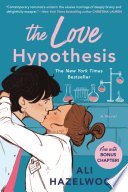
The Love Hypothesis
by Ali Hazelwood
Narrator’s chemistry-filled performance amplifies the enemies-to-lovers tension beyond print.
The Love Hypothesis by Ali Hazelwood is a masterclass in enemies-to-lovers tension. The narrator’s performance amplifies every loaded glance and reluctant admission, making the chemistry feel electric in a way that’s genuinely hard to replicate in print alone.
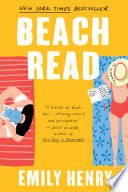
Beach Read
by Emily Henry
The audiobook’s dual narration captures witty banter and heartfelt moments with perfect emotional pacing.
Beach Read by Emily Henry features dual narration that captures the witty banter and heartfelt vulnerability between two writers with perfect emotional pacing. If you’ve only read this one in print, the audio version is worth revisiting.
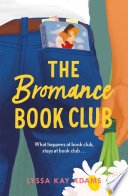
The Bromance Book Club
by Lyssa Kay Adams
Multiple male narrators bring authentic voices to romance advice, boosting emotional immersion.
The Bromance Book Club by Lyssa Kay Adams uses multiple narrators to bring authentic male voices to a story about men learning to be better partners through romance novels. The result is emotionally immersive and surprisingly moving.
When Silent Reading Still Wins: Knowing Your Own Reading Style
Audiobooks aren’t always the answer. There are real situations where print reading serves romance fans better.
If you’re a re-reader who loves going back to favourite passages, print gives you that freedom instantly. If you prefer complex, literary romances with dense internal narration, the slower pace of reading can help you absorb every layer. And if you find yourself getting distracted easily while listening — especially in noisy environments — the focused quiet of reading might give you a richer experience.
The honest truth is that the best format is the one that keeps you reading. Some romance fans do all their rereads in print and all their new discoveries in audio. That kind of flexible approach is worth exploring.
For more ideas on building a reading routine that actually sticks, browse the Reading Tips & Habits guides at Velora Fox — there’s plenty of practical advice to help you find your rhythm.
Common Mistakes Romance Readers Make When Choosing a Format
Picking the Wrong Narrator Blind
Always sample the first few minutes of a romance audiobook before committing. A narrator who doesn’t click with you can ruin an otherwise brilliant book.
Listening at Too High a Speed
It’s tempting to speed through your TBR at 2x, but emotional scenes lose their impact when rushed. Give yourself permission to slow down for the good parts.
Assuming One Format Works for Every Book
Some romances are simply better in one format than the other. Stay open to switching based on the specific book, not just habit.
Giving Up on Audio After One Bad Experience
A mediocre narrator isn’t a reason to swear off audiobooks forever. Try a different title with a highly recommended narrator and give the format a fair second chance.
Our Verdict: Choose a Voice That Suits Your Romance Reading
So, audiobook vs reading which is better for romance fans? The most honest answer is: both, depending on the book, your lifestyle, and what kind of emotional experience you’re after.
Audiobooks win when you want to be swept up in a narrator’s performance, when you’re multitasking, or when dialogue-heavy chemistry is at the heart of the story. Print wins when you want to linger, reread, and fully inhabit your own imagination.
The smartest romance readers don’t choose one over the other — they use both strategically. Start with audio for new-to-you authors or banter-heavy titles. Return to print for slow-burn favourites you want to savour. And always, always sample a narrator before you commit.
Your TBR is waiting. Now you have the tools to tackle it in the format that serves you best.
Build a better reading habit with more book guides from Velora Fox.