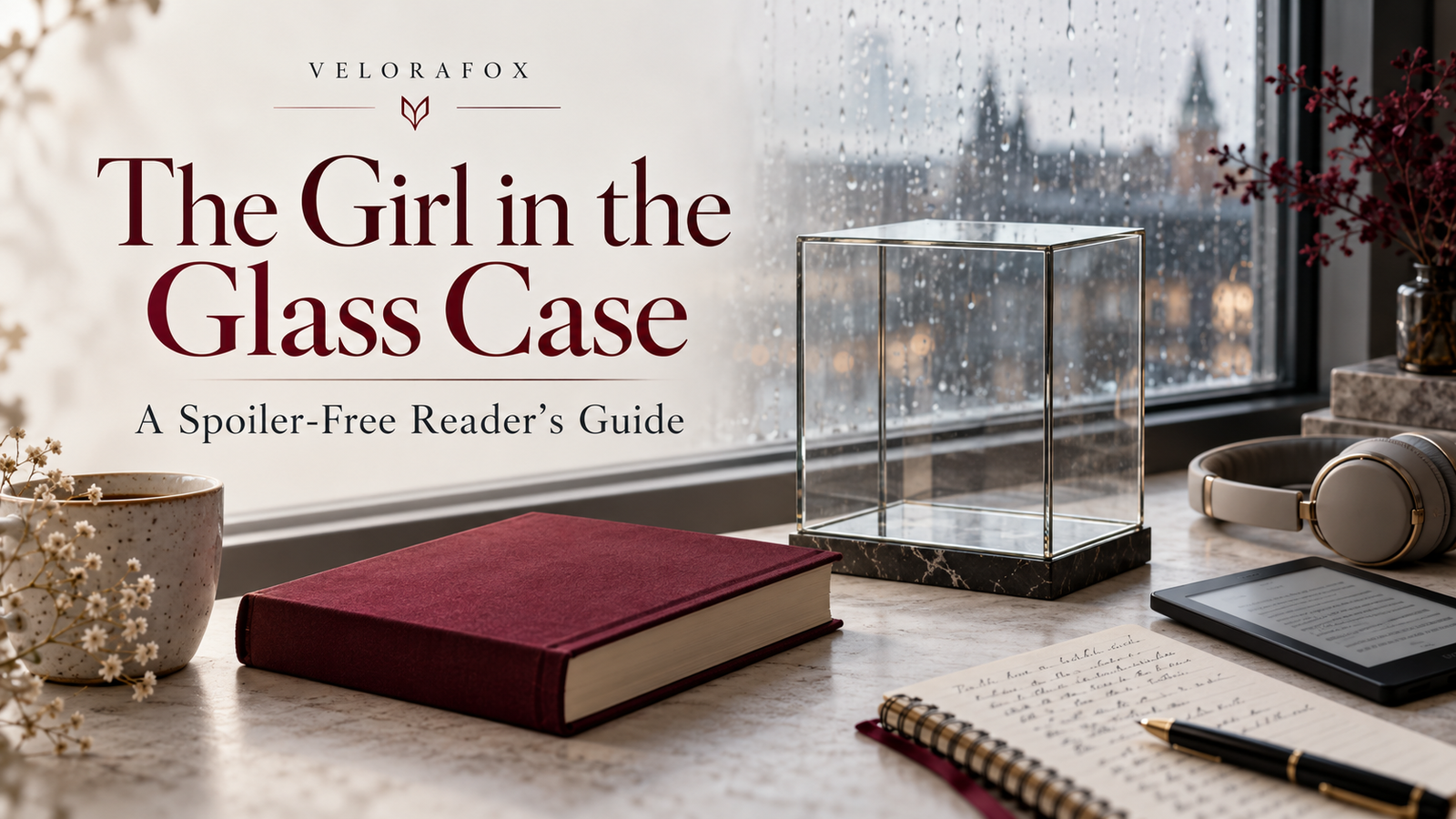
The Girl in the Glass Case: 7 Essential Facts to Know
CRIME FICTION | SPOILER-FREE READER GUIDE
The Girl in the Glass Case by Devashish Sardana is a psychological crime thriller, not a gentle mystery. Its unsettling premise raises an immediate question: is this the kind of suspense you want to spend time with? This spoiler-free book guide answers seven essential reader questions, checks the exact Amazon paperback edition, and explains the content considerations without revealing the ending.
The Girl in the Glass Case by Devashish Sardana deserves that more careful kind of introduction. This guide helps you decide whether its psychological crime-thriller premise fits your reading mood, what to check before buying, and how to approach the story without spoiling the mystery. It is an editorial reader guide based on publisher and retailer information, not a firsthand review or a claim that we personally read the novel.
Content note: The published premise involves serial murder and harm to children. This is an adult crime-fiction recommendation, not a light mystery or a children’s book. The notes below are not an exhaustive scene-by-scene content assessment.
The Girl in the Glass Case: The Quick Answer
Consider this book if your preferred suspense starts with an unsettling criminal investigation and a determined police lead. Choose something gentler if you want low-stakes puzzles, comforting atmosphere, or crime stories that keep children outside the danger. That distinction matters more than a dramatic cover or a stranger’s star rating.
Our editorial recommendation is to make the decision in two stages. First, check your comfort with the premise. Then use an available sample to judge the writing for yourself. A genre label can tell you what kind of story is being offered, but it cannot tell you whether the prose, perspective, or emotional intensity will work for you.
You also do not need to choose between loving thrillers and having boundaries. An exciting reading life can include both darker investigations and weeks when you want a different kind of story. Picking the right book for the right moment is more useful than treating every popular title as compulsory reading.
7 Essential Facts Before You Read
- Author: Devashish Sardana, not a similarly titled book by a different writer.
- Reading category: psychological crime fiction, rather than true-crime reporting.
- Investigator: Simone Singh is the police lead named in the official premise.
- Series context: Penguin identifies the title with the Simone Singh series.
- Content boundary: the premise involves murder and harm to children; it is not a cozy recommendation.
- Exact Amazon edition: the linked English paperback has ISBN 9780143454373; its page-count metadata conflicts with the publisher listing.
- Format choice: Penguin lists an audio edition separately; the Amazon button in this guide buys neither an audiobook nor a guaranteed Kindle Unlimited edition.
These seven checks give you the identity, reading mood, and purchase details of The Girl in the Glass Case before you decide whether to sample it. They are not a plot outline or a rating.
The Girl in the Glass Case: Author and Amazon Edition
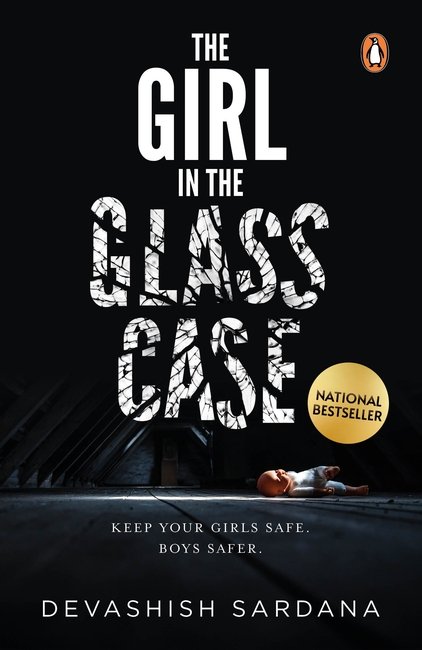
The author is Devashish Sardana. Penguin Random House India lists the book under its Ebury Press imprint and identifies it with the Simone Singh series. The subtitle is Keep your girls safe. Boys safer. The direct Amazon US link below matches the English paperback’s ISBN, 9780143454373, rather than an unrelated book with a similar title.
View The Girl in the Glass Case on AmazonExplore VeloraFox’s Own Catalog
The Amazon link is a normal, non-affiliate link to an external retailer. VeloraFox’s catalog is separate; the internal button does not imply this particular book is sold by VeloraFox.
Why You Should Check the Edition, Not Just the Title
Book listings can combine formats, regional editions, and seller offers on one page. Before paying, confirm the author, ISBN, language, binding, shipping destination, and seller. Readers in the UK, Canada, and Europe should also compare delivery terms in their own marketplace rather than assume a US offer will ship conveniently.
There is a specific metadata inconsistency worth flagging: the publisher’s current page lists 344 pages, while the linked Amazon paperback lists 288. Their displayed publication dates differ too. We have not resolved that discrepancy, so this guide does not promise one page count or estimate your finishing time from it. Use the ISBN to identify the offer and ask the seller to confirm details that matter to you.
What Is The Girl in the Glass Case About?
According to the official publisher description, police officer Simone Singh works with Zoya Bharucha on a case involving a killer called the Doll Maker. The premise places professional differences alongside the urgency of stopping further crimes. We will not identify a culprit, explain the ending, or turn later developments into marketing hooks.
The publisher positions it as psychological crime suspense. For choosing your next read, think of the distinction this way: a puzzle asks you to organize information, while a threatening investigation also asks how much pressure you want to sit with. Readers can enjoy both, but they are not interchangeable moods.
A useful spoiler boundary is to stop researching once you understand the setup and your content concerns are answered. Longer summaries, character lists, and even apparently harmless search suggestions can reveal more than you intended. If preserving the mystery matters to you, avoid ending-explained pages until you finish.
Fiction, Not a True-Crime Promise
The book is presented as fiction, not an account of a verified real investigation. Do not approach it as documentary evidence about policing, criminal psychology, or a particular community. A fictional thriller can raise interesting questions, but its narrative choices are not a substitute for factual reporting or professional information.
Who Should Read The Girl in the Glass Case?
Start with the kind of tension you seek. If your favorite reading question is how an investigator will move from uncertainty toward an answer, this is a relevant premise to sample. If you mainly want romance, a reassuring ensemble, or a relaxed village puzzle, the match is less obvious.
For Readers Who Want an Investigation
Try the opening sample with one practical question: do you want to keep following the person doing the investigating? You do not need a protagonist to be someone you would befriend, but you probably need a reason to remain interested in their decisions. Notice that response before letting a headline or recommendation choose for you.
It can help to separate curiosity from obligation. Being interested in a premise does not mean you owe the entire book your time. A sample is a low-commitment way to test whether your interest survives contact with the actual writing.
For Readers Who Need a Gentler Alternative
Take the content note seriously if violence involving children is a difficult subject for you. You do not have to investigate every scene to justify a decision not to read. If you need more precise information, seek a detailed content advisory from a trusted source and understand that it may contain spoilers.
If the issue is simply your mood today, save the title for later. Build a short reading queue with an intense option and a lighter option rather than forcing one emotional register all week. The right next book is the one you want to spend time with now, not the one that makes the most impressive reading update.
Choosing a Format for The Girl in the Glass Case
This table compares reading choices, not unverified editions or invented performance scores. The Amazon button identifies a paperback. Penguin also lists an audio edition, but regional availability and the selected format must be checked separately. We do not claim Kindle Unlimited inclusion or a particular narrator without verification.
| Choice | Useful when | Check before buying | Practical consideration |
|---|---|---|---|
| Linked paperback | You like returning to earlier passages physically. | ISBN 9780143454373, binding, seller, delivery. | The publisher and retailer disagree on page count. |
| Ebook, if offered in your region | Adjustable text and portable reading matter to you. | Exact author, language, device compatibility, selected edition. | Do not assume the paperback button buys a digital file. |
| Audio edition | You prefer listening and can follow names without seeing them. | Narrator sample, language, runtime, regional access. | Listening preference is personal; sample before committing. |
For a mystery, format selection is partly about how you recover your place. Some readers prefer a physical bookmark, while others value searchable text or audio bookmarks. None of those choices makes someone a better reader. Choose the method that lets you return comfortably after an interruption.
When sampling audio, listen long enough to judge clarity and comfort rather than changing several settings immediately. With an ebook, inspect the sample on the device you actually use. Tiny frustrations can become noticeable over a whole reading session, so testing the real experience is more useful than comparing formats in the abstract.
A Spoiler-Safe Reading Plan
Before You Begin: Set Your Boundaries
Read the premise, check the content note, and decide whether you want this kind of material right now. Then stop browsing. You do not need a full plot outline, a cast chart, or a list of twists to make an informed choice. Keep a lighter backup available if your reading mood changes.
While Reading: Track Questions, Not Predictions Alone
If you enjoy notes, keep them simple: what information is confirmed, what remains uncertain, and which question you want answered next. Label your theories as theories. That small distinction makes it easier to enjoy an investigation without treating every guess as a fact you must defend.
Do not turn note-taking into homework unless that is genuinely fun for you. A single bookmark or short reminder can be enough after a break. You can also read without recording anything and let the narrative supply its own reminders. The goal is attention, not a perfect evidence spreadsheet.
After Reading: Separate Surprise From Satisfaction
Once you finish, ask two different questions: did the resolution surprise you, and did it feel earned? Those answers need not be identical. Thinking about both can make a conversation more interesting than simply saying that you guessed correctly or were completely fooled.
If you discuss the book online, mark spoilers clearly and keep revelations out of your first sentence, image, and link preview. The same courtesy applies to short videos and book-club messages. Someone deciding whether to read deserves the same chance to discover the story that you wanted.
Pros and Considerations Before Choosing
These are editorial fit judgments based on the published premise and listing information, not scored assessments of prose, plot execution, or an ending we claim to have evaluated firsthand.
Reasons to Consider It
- A specific reading promise: a criminal investigation gives you a clearer selection point than a vague claim that a book is unmissable.
- A focused introduction to an author: one title lets you test your interest without buying an entire series at once.
- Format flexibility to investigate: the publisher lists audio as well as print information, so you can check which reading experience suits you.
- Room for discussion: the premise offers starting points for talking about investigative partnerships, pressure, and the ethics of consuming crime stories.
Reasons to Pause
- Disturbing subject matter: readers looking for comfort may want a different book.
- Listing inconsistency: confirm edition details if length, format, or delivery is important to your purchase.
- No verified live ranking: this guide is not evidence that the title is currently trending on Amazon US.
- No guaranteed reading outcome: enjoying one thriller does not establish that you will enjoy every book marketed under the same label.
For another kind of suspense-related reading question, see our Wayward Pines reading-order guide. That page answers a series-sequencing question; it is not a claim that the books have identical tone or subject matter.
Spoiler-Free Book-Club Prompts
A good discussion does not have to begin with naming a culprit. These prompts work before reading or as general opening questions, with specific plot discussion saved for a clearly marked spoiler section.
- What makes an investigator interesting to follow, even when their social style differs from your own?
- How do you decide whether a dark premise feels appropriate for your reading mood?
- What information should a recommendation disclose, and what should it leave for discovery?
- Do you prefer testing theories as you read, or being carried along without keeping notes?
- How does your choice of print, ebook, or audio change your experience of following clues?
Agree on content boundaries before the meeting and let people opt out of detailed discussion without explaining personal reasons. Avoid assuming that everyone responds to difficult material in the same way. A thoughtful conversation can be enthusiastic about fiction while remaining considerate toward the people reading it.
The Girl in the Glass Case: 7 Reader Questions
Who wrote The Girl in the Glass Case?
Devashish Sardana wrote The Girl in the Glass Case. The publisher lists it as part of the Simone Singh series.
What is The Girl in the Glass Case about?
It is fictional psychological crime suspense centered on an investigation involving Simone Singh and the killer known as the Doll Maker. This guide avoids the ending, culprit revelations, and later plot developments.
Is The Girl in the Glass Case a true story?
The publisher presents the book as a psychological crime thriller, not a true-crime account. This guide does not claim its events are real.
Is The Girl in the Glass Case suitable for a cozy mystery reader?
Its premise involves serial murder and harm to children, so it is not a gentle or cozy recommendation. Readers sensitive to those subjects should check content information before choosing it.
Which edition does the Amazon button link to?
The button links to the Amazon US paperback listing with ISBN 9780143454373 and product identifier 0143454374. Check the selected format, seller, language, and delivery information before ordering.
Is this a new release or a verified current Amazon bestseller?
No current Amazon ranking has been verified for this guide. It is an evergreen reader guide, not a new-release announcement or a live bestseller ranking.
Is an audiobook available?
Penguin lists a Penguin Audio edition. Availability, language, narrator, price, and regional access should be checked on the chosen listening service. The Amazon button here is for the paperback, not an audiobook.
Sources, Edition Checks, and Final Recommendation
Book identity and edition details were checked on October 24, 2026. Sources are the Penguin Random House India book page, the publisher’s Devashish Sardana author page, and the matching Amazon US paperback listing. The older digital-edition description can also be compared through Google Books. Descriptions and metadata are not interchangeable across editions.
The most useful reason to choose The Girl in the Glass Case is that its premise matches the kind of suspense you want, not that a headline tells you it is compulsory. Check the content boundaries, try a sample when available, and verify the format before you buy. Keep the mystery intact by leaving detailed plot explanations until afterward.
If this is not your mood, that is still a successful reading decision. Explore a different question through our memoirs about starting over guide, or browse VeloraFox’s own digital catalog separately. Choosing thoughtfully is how a reading list becomes a reading life you actually enjoy.