
5 Best Dark Academia Books for Fall Reading on Amazon
FALL READING GUIDE | CAMPUS MYSTERIES & ACADEMIC FANTASY
The best dark academia books make you want to enter the library and question everyone already inside it. There is the beautiful room, the impossible conversation, the invitation you were not expecting. Then comes the uneasier question: what will belonging cost? For fall reading, that tension can be more compelling than another seasonal list built around a date.
This guide selects five books on Amazon for readers who want atmosphere with something underneath it: literary obsession, theatrical rivalry, translation and empire, occult privilege, or survival at a magical school. These are different experiences, not interchangeable versions of the same campus mystery. The comparison below helps you choose the one that fits your appetite for magic, difficult themes, and a longer series commitment.
If you want a reading list beyond romance-first recommendations, begin here. A relationship may still matter to a story, but the organizing questions are knowledge, power, secrecy, and the price of admission. You do not need a university background or a bookshelf full of classics to explore them.
Selection note: this is an evergreen editorial guide, not a live Amazon sales ranking or a list of new 2026 releases. Titles, authors, linked print editions, and premises were checked against Amazon and official book sources on October 11, 2026. We could not verify current Amazon Best Sellers positions, so no current ranking is claimed.
Book-link note: Amazon buttons are normal, non-affiliate links to the exact titles. The linked edition is identified for each book; other formats, prices, stock, and regional availability can differ. The VeloraFox catalog is separate from these external recommendations.
What Makes a Book Dark Academia?
For this guide, dark academia means stories where an academic or artistic community creates both fascination and danger. Studying is not merely background decoration. Access to knowledge, approval from a teacher, or membership in an exclusive group changes what characters are willing to do. The category has flexible boundaries: a realistic campus novel and a magical-school fantasy can share those concerns without sharing a plot.
That distinction matters when choosing your first book. Liking rain, candlelight, and old buildings does not automatically mean you want graphic horror or a long fantasy series. Start with the reading experience beneath the aesthetic. Do you want to question a narrator, untangle group loyalty, examine an institution, or survive its rules? Each of the five selections offers a different answer.
Dark Academia Books: Quick Comparison
The order is editorial, not a popularity ranking. The format column describes the Amazon edition linked by the button, not a promise that every format is available in every market.
| Book and author | Academic setting | Magic? | Best reading mood | Commitment | Linked edition |
|---|---|---|---|---|---|
| The Secret History Donna Tartt | New England college | No | Literary psychological suspense | Standalone | Paperback |
| If We Were Villains M. L. Rio | Shakespearean conservatory | No | Theatrical ensemble mystery | Standalone | Paperback |
| Babel R. F. Kuang | Alternative nineteenth-century Oxford | Yes | Language, empire, and resistance | Standalone | Hardcover |
| Ninth House Leigh Bardugo | Yale and occult societies | Yes | Adult supernatural intrigue | First in a trilogy | Hardcover |
| A Deadly Education Naomi Novik | The magical Scholomance | Yes | School survival and alliances | First in a trilogy | Hardcover |
1. The Secret History by Donna Tartt: Literary Obsession Without Magic
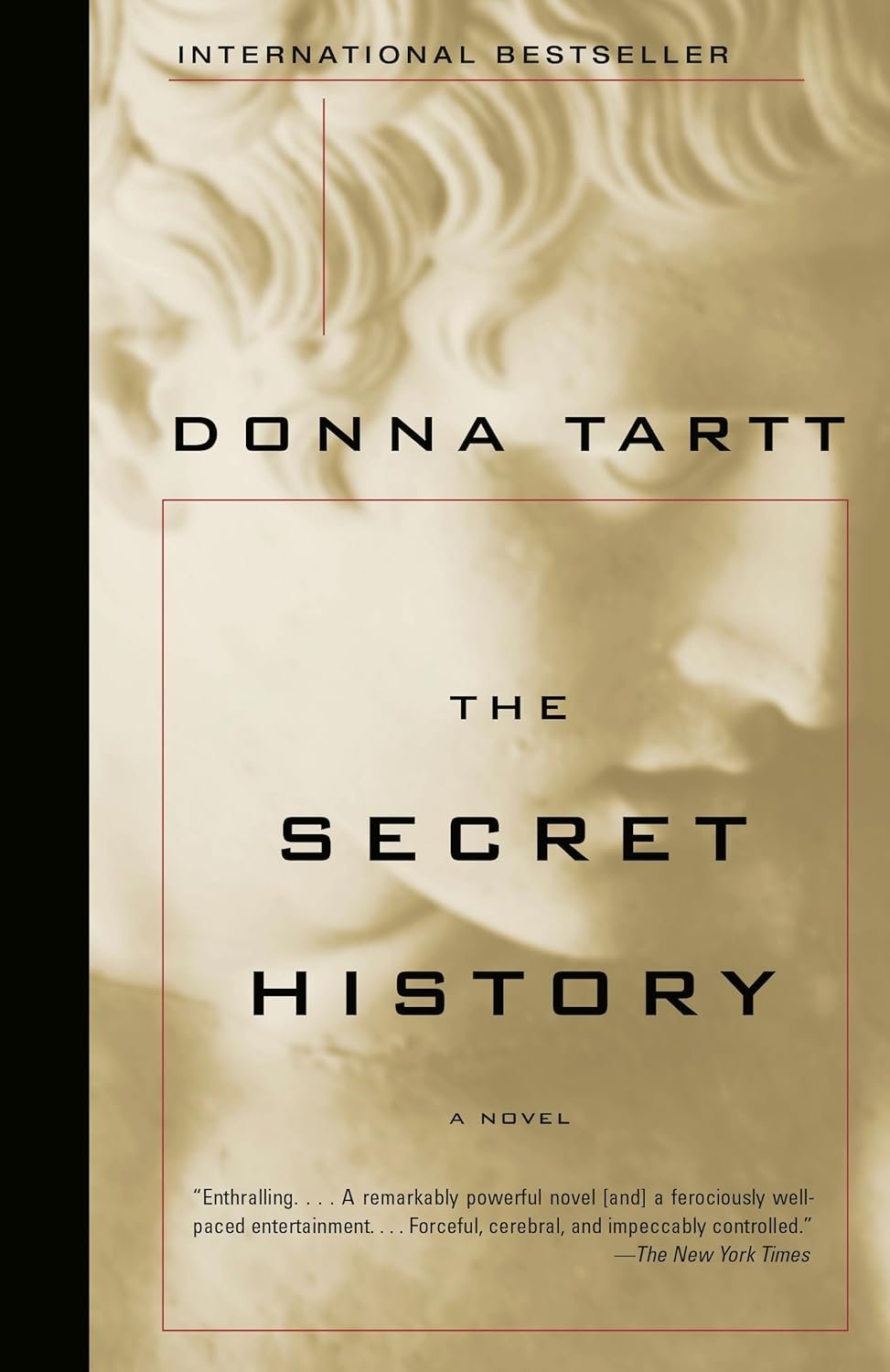
A small classics circle at an elite New England college becomes the center of Richard Papen’s world. Donna Tartt builds the story around a seductive intellectual community and the moral boundaries it crosses. The appeal is not a magical curriculum: it is the dangerous possibility that being accepted by extraordinary people could make ordinary rules feel negotiable.
Choose this for: a psychologically focused introduction to dark academia. If your ideal fall book involves watching admiration become dependence, this is the most direct match on the list. Its academic atmosphere also gives you something more uncomfortable to consider than whether a campus looks beautiful: why does beauty make us more willing to excuse cruelty?
Approach it as a study of people and their rationalizations rather than a checklist of clues. A useful reading question is whether a character is telling you what happened or persuading you to interpret it generously. That distinction keeps the experience engaging without requiring spoilers. You can also watch who controls a conversation, who gets access to private spaces, and who feels lucky simply to be included.
Pros and Considerations
- Pros: a standalone starting point; no fantasy rules to learn; strong scope for discussion about belonging, status, and moral responsibility.
- Considerations: choose another option if you want a short, lighthearted campus adventure. Murder and disturbing behavior are part of the premise, not a cozy backdrop.
Fall reading plan: reserve longer, uninterrupted sessions when possible. Keep a short character list if an ensemble feels easier to follow that way, but avoid plot summaries that explain the group’s choices before you encounter them yourself.
2. If We Were Villains by M. L. Rio: Shakespeare, Rivalry, and Secrets
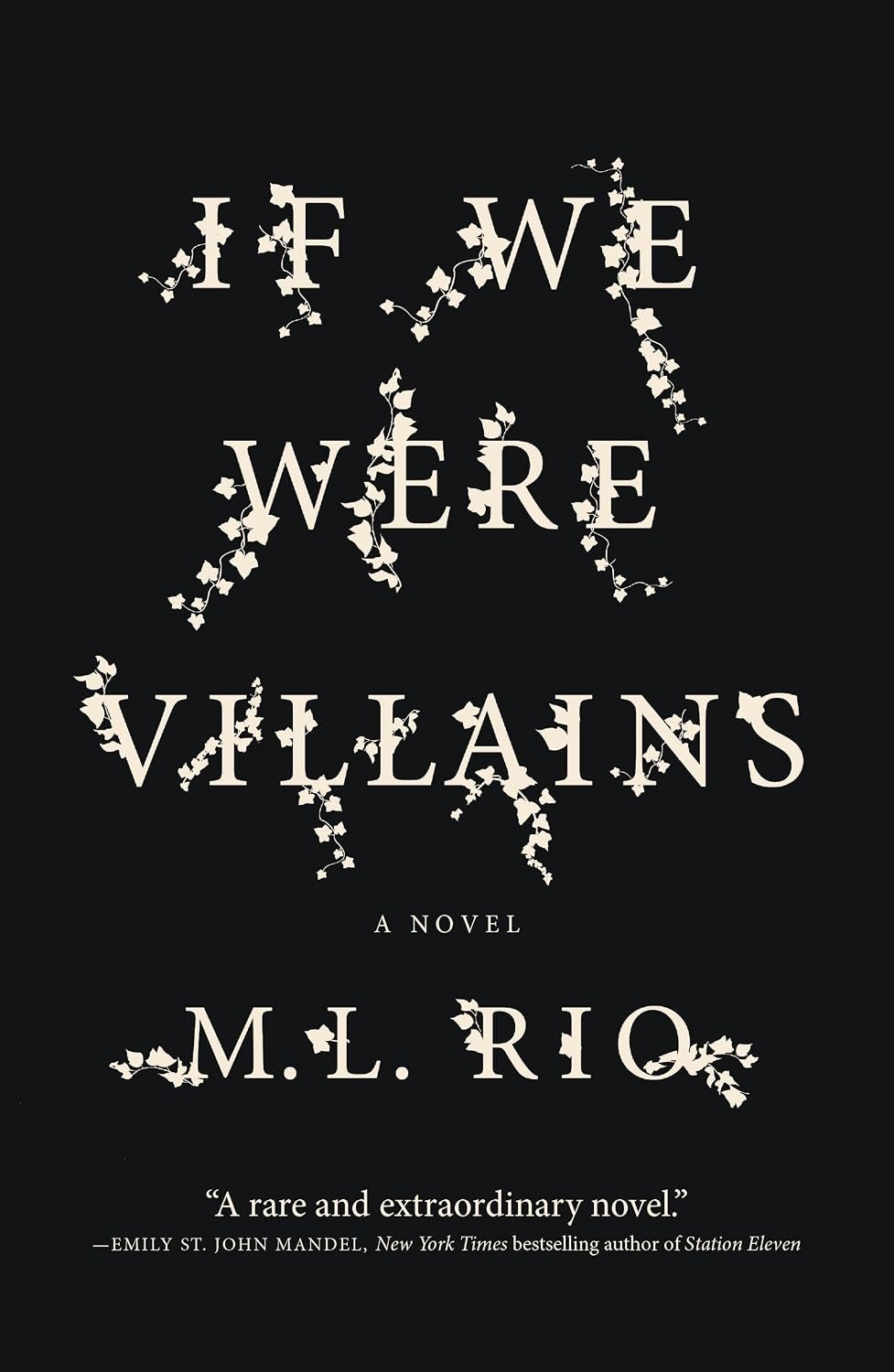
Seven Shakespearean actors train at Dellecher Classical Conservatory. Their stage roles and personal relationships begin to echo one another as their final year turns violent. The story is framed by Oliver Marks’s release after ten years in prison and a detective’s effort to understand what happened. That setup makes performance itself part of the mystery.
Choose this for: an enclosed artistic community rather than a sprawling university. The theatrical angle offers a particularly useful variation on dark academia: a character can be speaking sincerely, playing to an audience, or borrowing the emotional vocabulary of a role. For readers who enjoy complicated friendships and rivalry, that gives every interaction another layer.
You do not need to memorize Shakespeare before starting. Let context carry you through unfamiliar references, and look up a play only if understanding its broad premise would deepen your interest. Treating every allusion as homework can interrupt the momentum. Instead, ask what a character gains by using a borrowed line rather than saying something plainly.
Pros and Considerations
- Pros: a distinctive conservatory setting; a standalone narrative; a natural choice for readers drawn to ensemble dynamics and theatrical language.
- Considerations: stage references are central to its identity. If you dislike performance-centered stories, the campus atmosphere alone may not be enough. Expect violence and emotionally fraught relationships.
Book-club angle: discuss the difference between loyalty and protecting a group’s reputation. Agree on a spoiler boundary first, because the prison framing is an invitation to speculate, not permission to reveal the answer.
3. Babel by R. F. Kuang: Language, Magic, and the Cost of Power
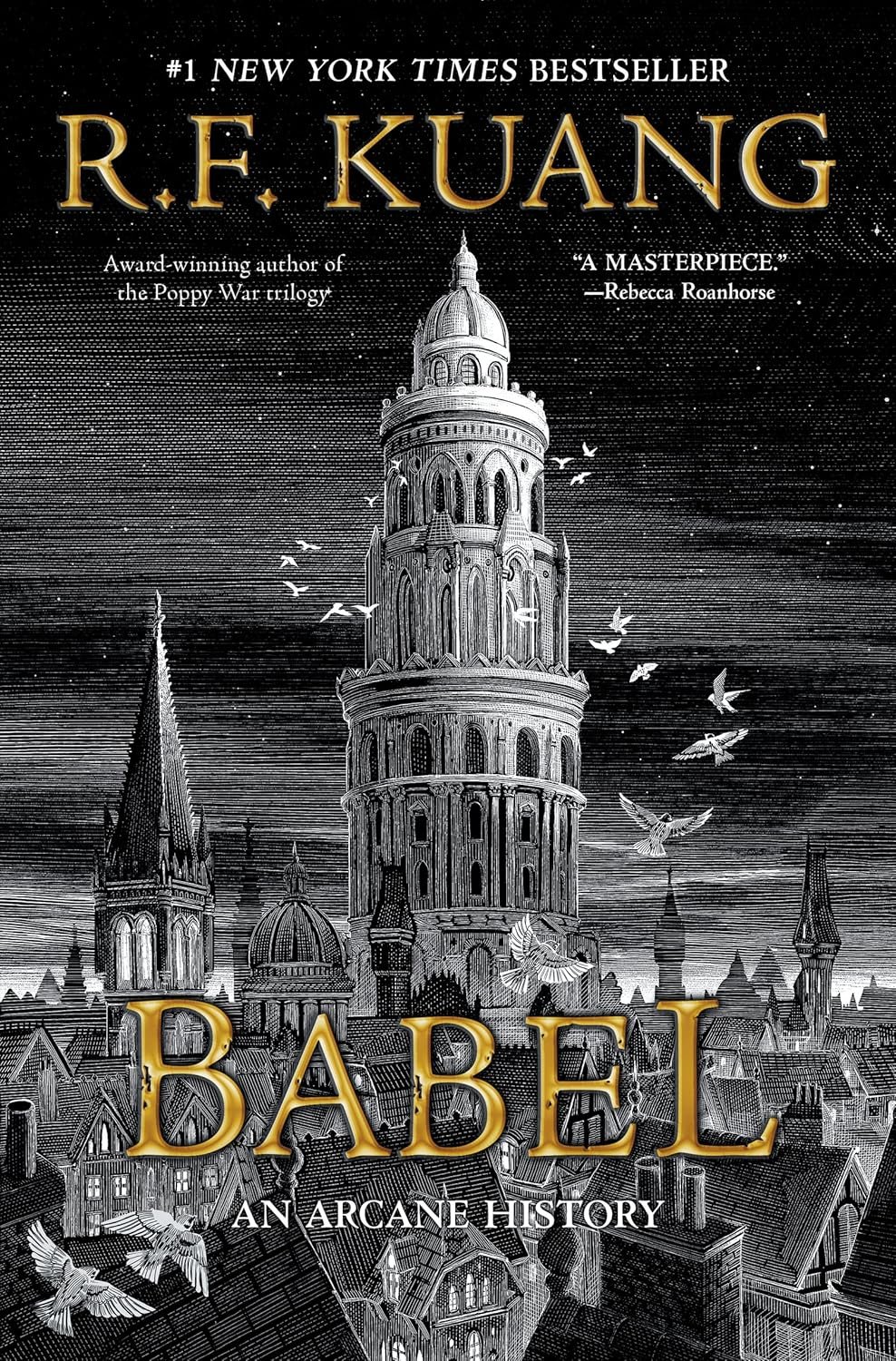
Babel: Or the Necessity of Violence: An Arcane History of the Oxford Translators’ Revolution follows Robin Swift from Canton to England and into Oxford’s Royal Institute of Translation. Set in an alternative nineteenth century, it links translation and magical power with the machinery of empire. Academic achievement is therefore not separate from politics; it helps determine who benefits from the institution.
Choose this for: an idea-driven historical fantasy. Among these dark academia books, this is the clearest fit when you want the questions behind scholarship to matter as much as the buildings surrounding it. Who owns knowledge? What gets lost in translation? Can an institution offer an individual opportunity while harming the communities that made that opportunity possible?
Give yourself permission to read deliberately. A fantasy vocabulary, historical setting, and argument about language create different demands from a contemporary campus mystery. If you enjoy pausing over an idea, that can be a benefit rather than a disadvantage. If you primarily want a rapid succession of twists, consider starting with one of the nonmagical mystery selections instead.
Pros and Considerations
- Pros: a standalone entry point; a distinct translation-centered premise; substantial discussion potential around education, complicity, and resistance.
- Considerations: colonial exploitation and racism are not incidental scenery. Choose it when you have room for challenging material, not when you need an emotionally weightless escape.
Reading approach: keep one note for questions about language and another for questions about loyalty. Separating them can help you see where intellectual disagreement becomes a personal decision. You do not need to read Kuang’s other novels beforehand.
4. Ninth House by Leigh Bardugo: An Adult Occult Campus Mystery
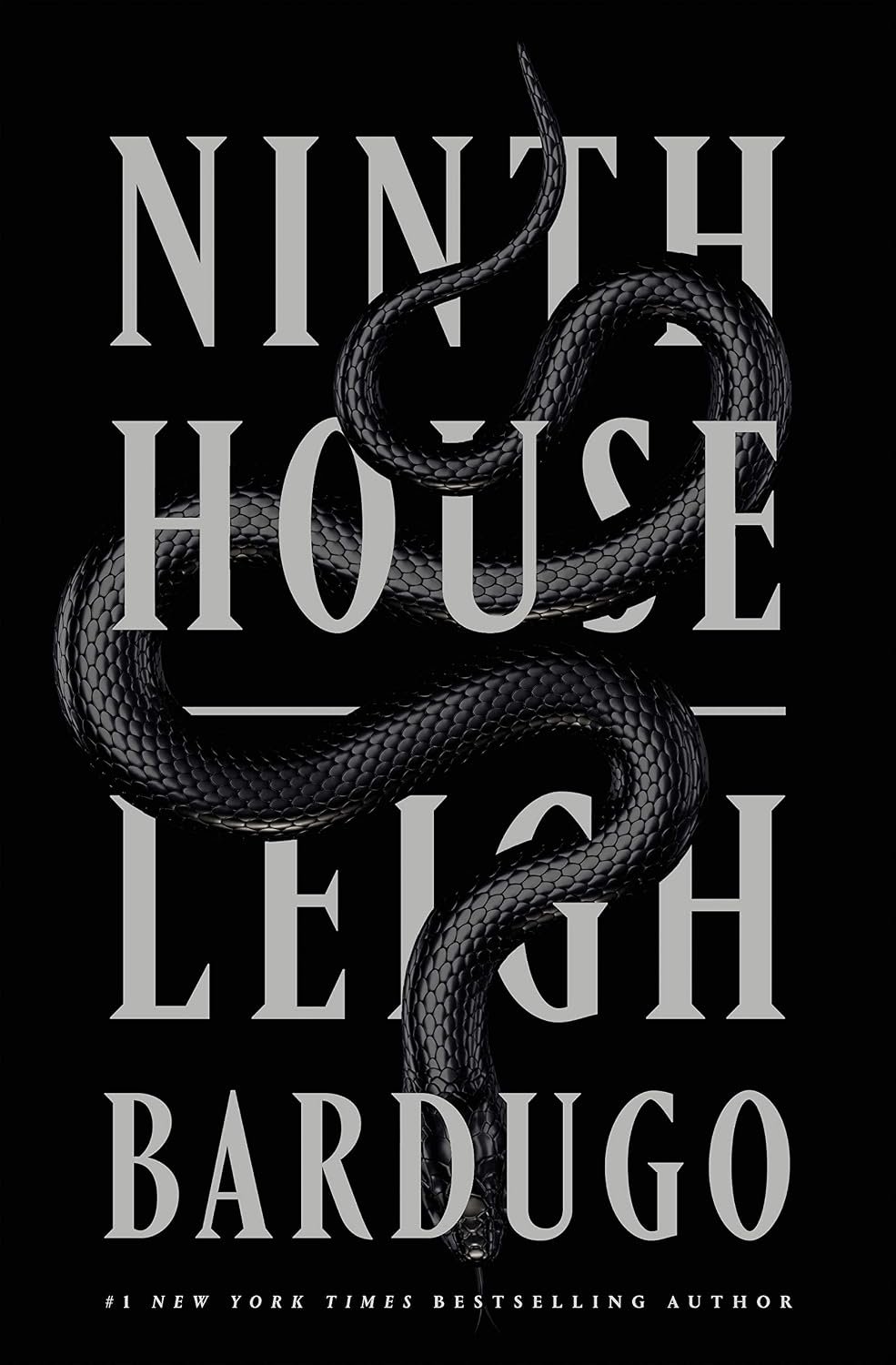
Alex Stern receives an unlikely opportunity to attend Yale, with a condition: she must monitor its secret societies and their occult activities. Leigh Bardugo places supernatural danger inside a real university environment, where privilege and hidden influence already shape who is believed. The result is a different route into academic darkness from a secluded classics classroom.
Choose this for: an adult fantasy mystery where institutional power and magic occupy the same space. It is a good option if the question you want answered is not simply who belongs on campus, but what powerful people can get away with behind closed doors. Alex’s outsider position provides a way into that tension.
Do not select it solely because you recognize the author from another fantasy series. Judge this book by its own premise and content. The official author page identifies it as the first book of the Ninth House trilogy; it is a starting point for that sequence rather than a guarantee of a single-book commitment. No prior Grishaverse reading is required.
Pros and Considerations
- Pros: a real-world campus combined with supernatural intrigue; an outsider perspective; a clear first-volume entry point for readers who want to continue a series.
- Considerations: this is not a gentle magical-school story. It includes graphic violence and traumatic material. Review detailed content information before choosing it if particular themes are difficult for you.
Fall reading plan: try the opening sample before committing to the tone. For a discussion group, agree whether members want only a first-book conversation or a longer series read; those are different commitments.
5. A Deadly Education by Naomi Novik: A Magical School Built Around Survival
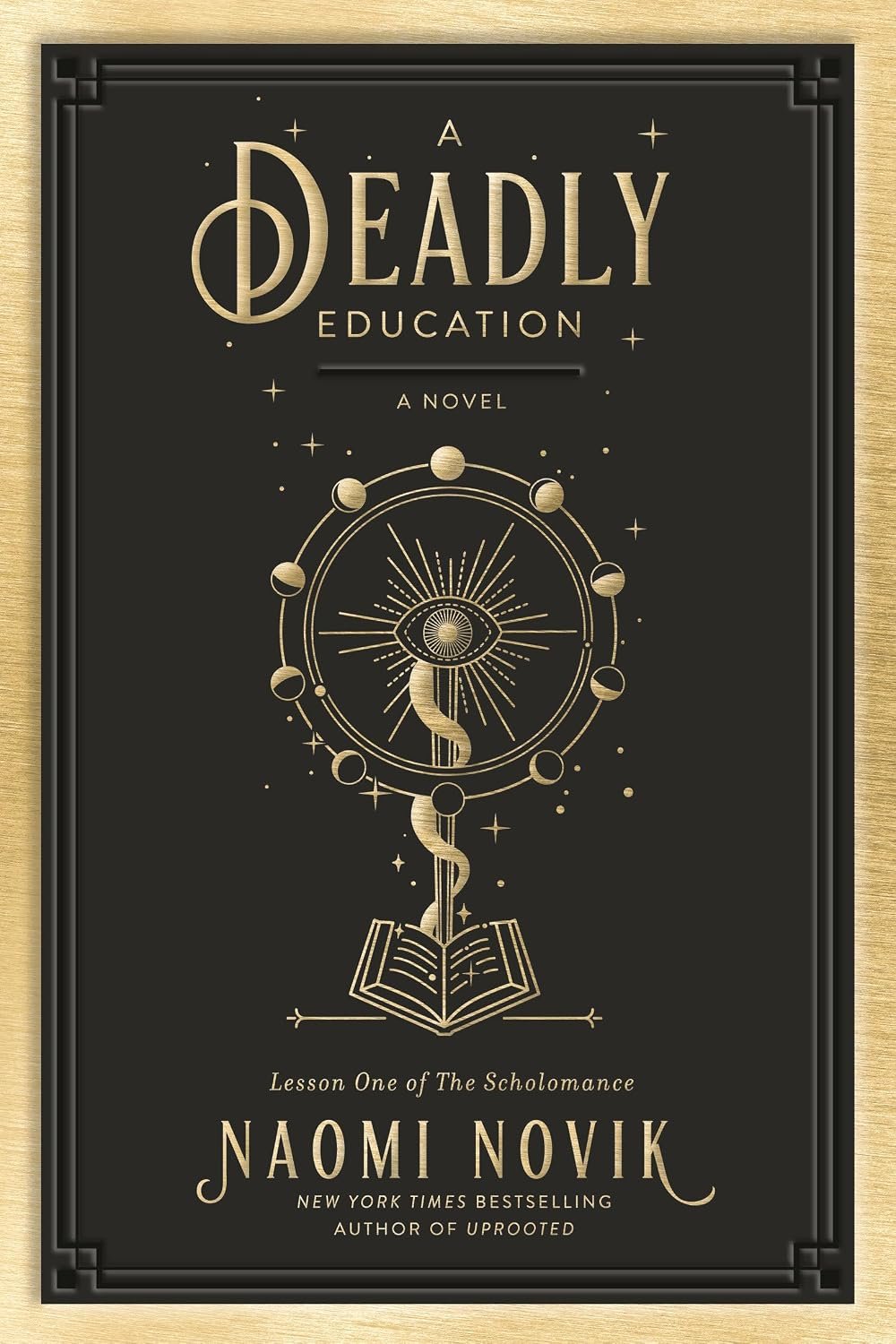
The Scholomance is a dangerous school where survival is part of the daily curriculum. El has formidable magical potential but refuses to accept the destructive role that seems available to her. Naomi Novik uses that predicament to make education a struggle over alliances, resources, and the kind of person a student is prepared to become.
Choose this for: dark academic fantasy with a sharper survival focus. This is the most obvious pick here when you want a school that is dangerous in a literal, immediate sense. Its appeal is not just the presence of magic, but the pressure of deciding whether other students are competitors, possible allies, or people worth protecting.
The novel begins the Scholomance trilogy. The reading order is A Deadly Education, The Last Graduate, then The Golden Enclaves. Start with the first book rather than assuming you can enter anywhere. Relationships are part of the story, so this is a recommendation outside a romance-focused list, not a claim that the book contains no romantic thread.
Pros and Considerations
- Pros: a strongly defined survival premise; an ethical conflict built into the protagonist’s powers; a three-book sequence for readers looking for a longer project.
- Considerations: magical rules and school politics need attention. Choose a different title if you specifically want a realistic college setting or a complete standalone experience.
Reading approach: notice which resources students can access and what they must offer in return. That is a useful way to connect the fantasy school’s dangers with the broader dark-academia question of who gets protected by an institution.
How to Choose Your Fall Read Without Buying Five Books at Once
Start With the Kind of Darkness You Want
Choose The Secret History for moral unease within a literary, nonmagical setting. Choose If We Were Villains when performance and group loyalty are the attraction. For fantasy, separate the questions you want to explore: Babel connects scholarship with empire, Ninth House combines campus privilege with occult investigation, and A Deadly Education makes school survival an immediate problem.
A good selection is not the book with the most dramatic cover or longest subtitle. It is the one whose central pressure interests you. Read the product description and opening sample, then ask whether you want to spend several evenings with that pressure. This is more useful than treating an editorial list as a reading obligation.
Match the Book to Your Attention and Content Preferences
For a busy week, distinguish reading a little at a time from needing a fast book. A dense novel can still be enjoyable in short sessions if you take a quick note when stopping. Conversely, a suspenseful setup may not suit a distracted audiobook session if you regularly miss names or dialogue. Choose the format and pace you can actually sustain.
Dark academia is not automatically comforting because its setting is attractive. These books involve violence, moral conflict, or other difficult material. The brief considerations above are not exhaustive content-warning lists. If a specific theme matters to you, check detailed, spoiler-conscious information before buying rather than relying on the genre label.
Choose a Standalone or a Series Deliberately
If you want a self-contained fall project, begin with one of the three standalone choices. If you enjoy carrying the same fictional world into another month, the two series openers offer a different commitment. There is no need to buy subsequent volumes before you know whether the first suits you. For book clubs, decide the reading boundary before invitations go out.
Want mystery with a gentler mood instead? Compare this list with our cozy mystery books for beginners. If a tense, non-campus setup sounds better, explore our Kindle Unlimited thriller guide, checking current subscription eligibility before borrowing.
Kindle, Print, and Audiobooks: Check the Edition, Not Just the Title
The five Amazon buttons deliberately lead to identifiable print editions. Once on the product page, check the author and select the format you actually want. Do not assume a hardcover button purchases an ebook or that a Kindle offer includes audio. The same story can appear across editions with different covers, pagination, prices, and availability.
For Kindle reading, inspect the sample on the device you use most often. A comfortable font size and a manageable screen brightness matter more to a long evening than a format label alone. For print, decide whether you want an inexpensive reading copy or a specific design before comparing offers. For an audiobook, listen to the available sample and verify the narrator, language, and whether the edition is unabridged.
USA readers can use the linked Amazon.com pages as a starting point. Readers in the UK, Canada, and Europe should match the title and author on their local store, then check the exact edition. This guide makes no current Kindle Unlimited or KDP claim for these books. Subscription access and publishing route are different questions.
Prefer exploring an independent digital catalog? Browse VeloraFox’s own ebooks and audiobooks separately from the Amazon recommendations. Check individual product descriptions for available formats; the five books in this guide are external recommendations, not a claim of VeloraFox stock.
Frequently Asked Questions About Dark Academia Books
What are dark academia books?
Dark academia books often combine an academic or artistic setting with ambition, secrecy, social exclusion, and moral conflict. Some are realistic mysteries or literary novels; others add magic. It is a reading category with flexible boundaries, not a guarantee of one plot or tone.
Which dark academia book should a beginner read first?
Start with The Secret History if you want literary psychological suspense without magic, or If We Were Villains if a Shakespearean conservatory appeals to you. Choose A Deadly Education if you prefer a dangerous magical school and are comfortable beginning a trilogy.
Are all five books standalone novels?
No. The Secret History, If We Were Villains, and Babel can be read as standalone novels. Ninth House begins the Ninth House trilogy. A Deadly Education begins the Scholomance trilogy, followed by The Last Graduate and The Golden Enclaves.
Are these books included in Kindle Unlimited or published through KDP?
This guide does not claim Kindle Unlimited eligibility or KDP publication for any selection. Kindle Unlimited is a subscription program; KDP is a publishing service. Check the exact Kindle edition in your Amazon account for any current borrowing offer before paying or subscribing.
Do these dark academia books contain romance?
Relationships and romantic threads can appear in dark academia. This guide prioritizes academic settings, mystery, power, and fantasy rather than romance-first recommendations. It does not describe every selection as romance-free.
Can readers outside the USA use these Amazon links?
The buttons point to exact book pages on Amazon.com. Readers in the UK, Canada, and Europe should check their local Amazon store for the same title, author, language, and desired format. Prices, delivery, digital availability, and editions can differ by market.
Your Next Fall Reading Obsession Starts With the Right Question
The most useful dark academia reading list does not ask you to chase every title. It helps you choose the tension you want to live with for a while. Start with literary belonging in The Secret History, theatrical loyalty in If We Were Villains, intellectual responsibility in Babel, hidden power in Ninth House, or survival and solidarity in A Deadly Education.
Pick one, check the sample and edition, and give it a few uninterrupted evenings. A memorable fall read is not simply a book that looks good beside a lamp. It is the one that changes the questions you carry out of the library.
Official Book References and Selection Method
The following author and publisher pages support the title information, premises, and series guidance used here. Each book’s Amazon button identifies its linked edition. Publisher pages may show a different regional edition. Selection is editorial and spoiler-free; it does not represent firsthand reviews, fabricated ratings, or verified current sales positions.