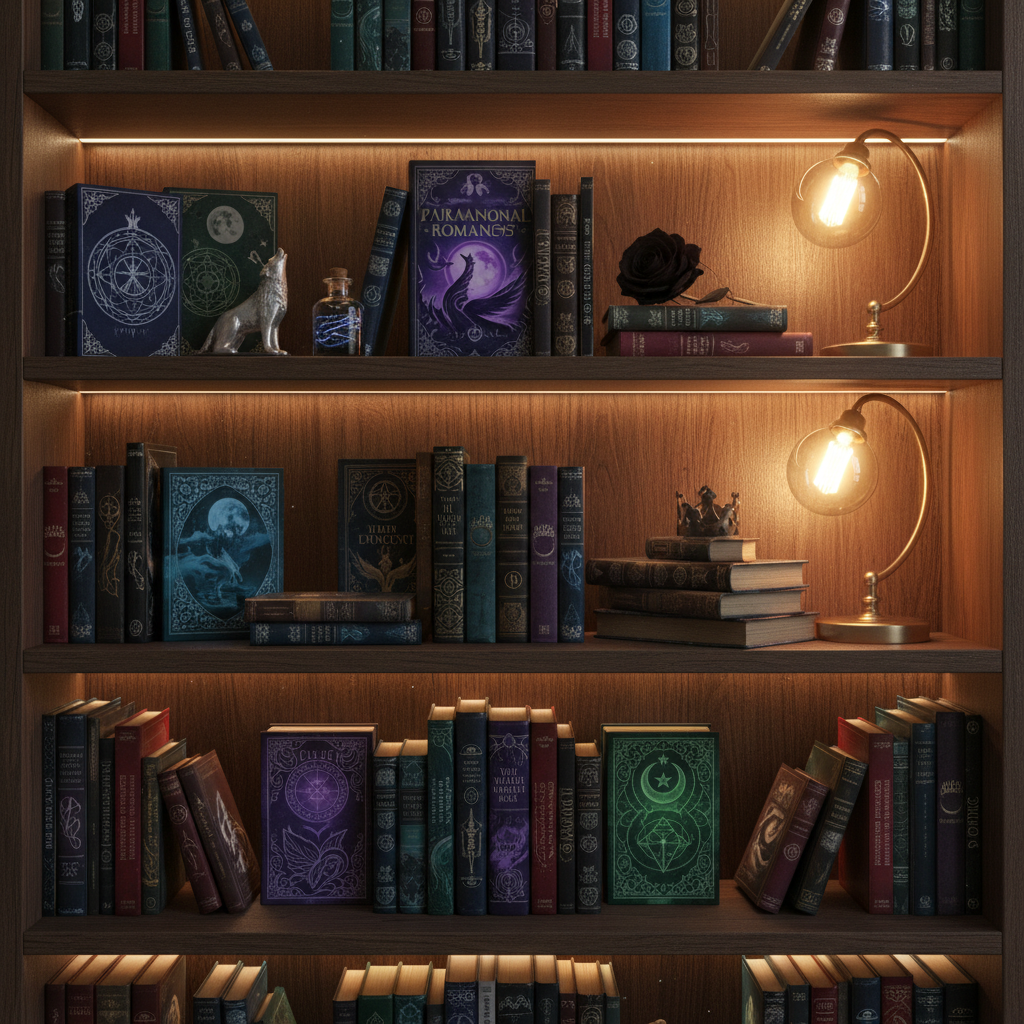
Paranormal Romance Genre Guide: PNR vs UF vs Romantasy
If you’ve ever found yourself completely obsessed with a brooding vampire, a possessive wolf shifter, or a dangerously seductive fae lord — welcome. You’ve already stumbled into one of the most addictive corners of genre fiction. This paranormal romance genre guide is your complete roadmap to understanding what PNR actually is, how it differs from urban fantasy and romantasy, which creature types dominate the shelves, and exactly where to start reading. Whether you’re brand new or just looking to branch out, you’re in the right place. For more deep-dive reading resources, explore the full library of Genre Guides on Velora Fox.
What Is Paranormal Romance? Your Complete Paranormal Romance Genre Guide
Paranormal romance — often shortened to PNR — is a subgenre of romance fiction where the central love story unfolds in a world that includes supernatural elements. Think vampires, werewolves, witches, demons, fae, and psychics existing alongside ordinary humans, usually in a recognizable modern-day setting.
But here’s what separates PNR from just any story with a supernatural character: the romance is the plot. Everything else — the supernatural threats, the ancient lore, the pack politics — exists to deepen and complicate the central relationship. And like all romance, PNR requires a Happily Ever After (HEA) or at minimum a Happy For Now (HFN) ending. No tragic endings allowed.
According to the Under the Covers paranormal romance genre guide, key features of PNR include:
- Romance driving the narrative forward
- Supernatural characters or abilities central to the story
- Deep worldbuilding where the paranormal integrates with society
- Conflict rooted in paranormal dangers or supernatural rules
- Themes of forbidden love, fated mates, or immortal devotion
The tone can range from lighthearted and fun to dark, gritty, and almost horror-adjacent. That’s part of what makes PNR so broadly appealing — there’s a flavor for nearly every reader.
Paranormal Romance vs Urban Fantasy vs Romantasy: Key Differences Explained
This is where readers get confused most often, and honestly, it’s understandable. These three genres overlap in significant ways. All three feature supernatural elements. All three often take place in modern or fantastical settings. But the core priorities are completely different.
Paranormal Romance (PNR)
Romance is the primary plot. The supernatural world exists to create stakes, obstacles, and chemistry for the couple. Always ends with HEA or HFN. Examples: Black Dagger Brotherhood, Psy-Changeling series.
Urban Fantasy (UF)
Action, mystery, or supernatural conflict drives the plot. Romance may exist but is a subplot, not the engine of the story. The protagonist is often a lone supernatural investigator or hunter. There’s no guarantee of a romantic resolution. Think of series like the Dresden Files or the Kate Daniels series.
Romantasy
Romance plus high or epic fantasy. The key difference from PNR is the setting: romantasy typically takes place in a fully invented secondary world with its own kingdoms, magic systems, and mythology — not a modern urban environment. Think fae courts in another realm, not fae hiding in a Chicago apartment building. The recently popular A Court of Thorns and Roses is a textbook romantasy. PNR is grounded in our recognizable world; romantasy builds an entirely new one.
The subgenre spotlight on paranormal romance from Romancing the Data breaks this down further if you want a data-informed look at how these categories are tracked across the genre landscape.
Core Elements That Define Every Paranormal Romance Novel
Before diving into creature-specific reading maps, it helps to understand the building blocks that appear across nearly every PNR, regardless of what supernatural beings are involved.
Fated Mates
One of the most beloved and divisive tropes in PNR. The idea that two characters are cosmically destined for each other — often marked by a physical or magical bond. This removes choice in a way that creates intense internal conflict and emotional tension. Readers either love the inevitability or prefer their romance to feel earned through free will. Many series offer both.
Forbidden Love
Species barriers, clan rivalries, ancient laws, and power imbalances make PNR a natural home for the forbidden love trope. A vampire falling for a human. A wolf shifter bonding with someone outside the pack. A demon protecting the one person they’re supposed to destroy. The supernatural setting amplifies the stakes of “we shouldn’t be together.”
Immortality and Power Dynamics
Many PNR protagonists are in relationships with beings who are centuries old, physically dominant, and operating under entirely different emotional frameworks than humans. This creates fascinating power dynamics that the best PNR authors handle with care — building genuine emotional vulnerability beneath the supernatural strength.
HEA/HFN Guarantee
This is non-negotiable. If the book doesn’t end with the couple in a committed, hopeful place, it’s not romance — it’s something else. This guarantee is what makes PNR a comfort read even when the content gets dark.
The Paranormal Romance Genre Guide to Every Major Creature Type
Vampire Romance
Vampires are the founding creatures of modern paranormal romance. Immortal, powerful, often aristocratic, and burdened by centuries of loneliness — they make perfect romance heroes. The best vampire PNR balances the seductive danger of an apex predator with genuine emotional depth.
The Black Dagger Brotherhood series by J.R. Ward is the gold standard. It’s gritty, intense, and built around a warrior brotherhood of vampires defending their species in a modern city. Each book centers on one brother finding his mate.
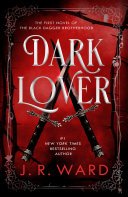
Dark Lover
by J.R. Ward
Foundational vampire romance series opener with intense brotherhood dynamics and fated mates in a modern world.
For something with a lighter, mythology-rich approach, Sherrilyn Kenyon’s Dark-Hunter series is essential. It blends Greek mythology, vampire-adjacent warriors, and emotionally wounded heroes with a slightly more accessible tone than Ward’s darker world.

Fantasy Lover
by Sherrilyn Kenyon
Summoned dream-man warrior falls for mortal amid curses and mythic battles.
If you want to continue deeper into the Brotherhood after Dark Lover, the series rewards long-term readers who follow the overarching plot threads.
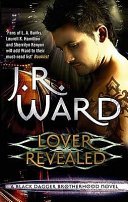
Lover Revealed
by J.R. Ward
Black Dagger Brotherhood entry with redemption arc, intense loyalty, and erotic tension.
Shifter and Werewolf Romance
Shifter romance is arguably the most popular corner of PNR right now. Pack dynamics, fated mates, territorial instincts, and the push-pull between human and animal nature create an almost endless well of romantic tension.
Nalini Singh’s Psy-Changeling series is the benchmark for sophisticated shifter worldbuilding. It blends psychic humans, wolf and leopard changelings, and a richly constructed future society. The romance is steamy, the characters are layered, and the series rewards readers who stick with it long-term.
Kresley Cole’s Immortals After Dark series is another must-read, featuring Lykaen warriors, valkyries, and a sprawling supernatural world where nearly every creature type gets their own story.
Fae Romance
Fae romance in PNR differs from romantasy in setting. In PNR, fae typically exist in the human world — hidden courts, glamoured neighborhoods, ancient magic bleeding into modern cities. The fae are dangerous, beautiful, and bound by rules that create fascinating romantic complications.
Thea Harrison’s Elder Races series is a standout for fae and shapeshifter romance with lush worldbuilding and emotionally satisfying HEAs.
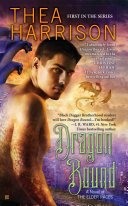
Dragon Bound
by Thea Harrison
Thief steals from dragon shifter, sparking fated mates chase full of heat and humor.
Witch and Demon Romance
Witches and demons bring moral complexity to PNR. Demon heroes are often morally grey — powerful beings operating between worlds, tempting heroines who probably know better. Witch heroines tend to be active participants in their supernatural world rather than humans discovering it for the first time.
Deborah Harkness’s All Souls trilogy sits at the literary end of PNR, blending witch mythology, vampire history, and academic intrigue into a slow-burn romance with serious depth.
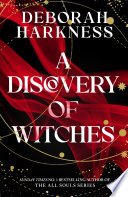
A Discovery of Witches
by Deborah Harkness
Witch and vampire unravel ancient magical secrets in forbidden scholarly romance.
Shifters, Fae, and Demons: Reading Maps for Every Paranormal Subtype
Here’s a quick reading progression depending on your creature preference:
If You Love Vampires
Start with: Dark Lover (J.R. Ward) → Then try: Fantasy Lover (Sherrilyn Kenyon) → Branch into: A Discovery of Witches for a more literary vampire experience.
If You Love Shifters
Start with: Dragon Bound (Thea Harrison) for accessible, warm shifter romance → Then try: Nalini Singh’s Psy-Changeling series for epic scope → Branch into: Kresley Cole’s Immortals After Dark for variety.
If You Love Fae
Start with: Dragon Bound (Elder Races) for fae-adjacent worldbuilding → Then explore: PNR series featuring hidden fae courts in urban settings before moving toward romantasy if you want full secondary-world fae stories.
If You Love Demons and Dark Heroes
Start with: Sherrilyn Kenyon’s Dark-Hunter series → Then try: Gena Showalter’s Lords of the Underworld for demon heroes with genuine emotional arcs.
How to Find Your Perfect Starting Point in Paranormal Romance
New to the genre? The most common mistake is picking up book seven of a beloved series because someone recommended it enthusiastically. PNR series build heavily on established worldbuilding and character relationships. Always start at book one.
Here’s a simple framework for choosing your entry point:
- Want dark and intense? Start with J.R. Ward’s Black Dagger Brotherhood.
- Want fun and mythology-rich? Start with Sherrilyn Kenyon’s Dark-Hunter series.
- Want sophisticated worldbuilding with shifters? Start with Nalini Singh’s Psy-Changeling.
- Want literary PNR with witches and vampires? Start with A Discovery of Witches.
- Want accessible dragon/fae shifter romance? Start with Dragon Bound by Thea Harrison.
The YALSA genre guide to paranormal romances for teens is also worth a look if you’re introducing a younger reader to the genre — it maps out age-appropriate entry points with helpful context.
Frequently Asked Questions About the Paranormal Romance Genre
Does paranormal romance always have explicit content?
No. PNR ranges from sweet (closed-door romance) to extremely explicit. Most major series lean steamy, but there are clean paranormal romance options available. Check content warnings or reader reviews before diving in if this matters to you.
Can paranormal romance be dark?
Absolutely. Some PNR edges close to horror in tone, featuring graphic violence, morally complex heroes, and very dark themes. The HEA requirement keeps it within the romance genre, but the journey there can be intense.
What’s the difference between a series and a standalone in PNR?
Most PNR is written in long series where each book focuses on a different couple within the same world. The overarching world and supporting cast build across books, which is part of the addictive appeal. Standalones exist but are less common in this genre.
Is paranormal romance the same as supernatural romance?
These terms are often used interchangeably. “Supernatural romance” is sometimes used as a broader umbrella that includes paranormal romance, but in practice they refer to the same genre space.
Where does romantasy end and paranormal romance begin?
Setting is the clearest dividing line. PNR takes place in a recognizable modern world with supernatural elements layered in. Romantasy takes place in a fully invented secondary world. If there are kingdoms, maps, and entirely invented geographies, it’s probably romantasy. If it’s set in a city you could visit with vampires hiding in it, it’s PNR.
Final Recommendations: Your Paranormal Romance Genre Guide Recap
Paranormal romance is one of the most rewarding genres for readers who want emotional intensity, rich worldbuilding, and the comfort of a guaranteed happy ending. This paranormal romance genre guide has covered the essentials: what defines PNR, how it differs from urban fantasy and romantasy, the major creature types and their best series, and a clear starting point for every kind of reader.
The genre rewards patience and investment. The best PNR series get richer the longer you stay in their worlds. Start at book one, trust the worldbuilding, and let the fated mates trope do what it does best.
For more curated reading guides across every genre, visit Velora Fox Book Guides — your home for expert genre navigation.
Use Velora Fox to discover your next favorite ebook by genre.